


The Appointment Went Fine, So Why Did My Kid Leave in Tears?
The appointment seemed to go well. Your child sat in the chair, the dentist checked their teeth, and nobody found anything wrong. By every measurable standard, it was a success. But your child was quiet the whole drive home, or they cried in the parking lot, or they've been saying "I don't want to go back" ever since. And something about that doesn't sit right with you.
That instinct is worth listening to. Getting through an appointment isn't the same thing as helping a child feel safe at the dentist. The difference between a visit that just happens and one that actually helps comes down to three things: how you prepare your child beforehand, the words you use along the way, and what you do after you leave.
At Just For Kids Dental, Dr. Armin sees this with Waxahachie families regularly. Parents who did everything "right" but still feel like something was missing from their child's experience. Through his work with children at Texas A&M-Baylor College of Dentistry, Children's Medical Center Dallas, and Texas Scottish Rite Hospital, he's learned that the most important part of a child's dental relationship often happens at home, not in the chair.
Quick Takeaways for Parents
- Start preparation 3-5 days before the visit to make the experience familiar, not scary
- Use neutral language and avoid words like "hurt," "shot," or "pain" even when reassuring
- Schedule strategically with morning appointments when kids are rested
- Focus on the 24 hours after because how you talk about the visit shapes your child's memory
Start the Story Before the Appointment Does
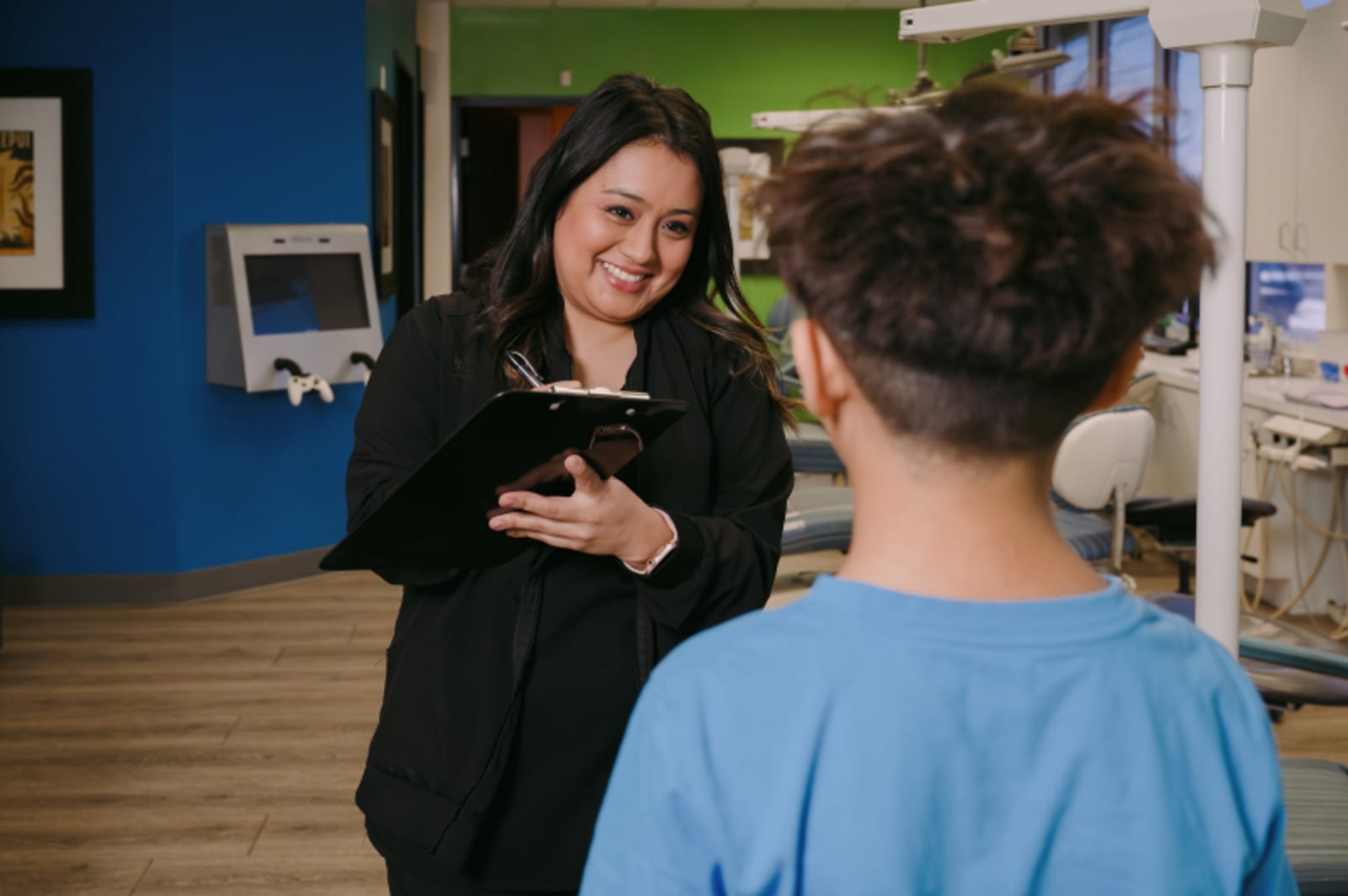
That little bit of groundwork at home changes everything, and the good news is it doesn't have to feel like homework. The most effective thing you can do before your child ever sits in a dental chair is make the dentist feel familiar. Not exciting, not scary. Just familiar.
Kids aren't usually afraid of dentists. They're afraid of surprises. When a child doesn't know what's coming, their imagination fills in the blanks, and imagination almost always goes somewhere darker than reality. Take away the unknown, and you take away most of the fear along with it.
Practice Makes Familiar
A few days before the visit, try playing "dentist" at home. Grab a toothbrush and a flashlight, and take turns being the patient and the dentist. Let your child look in your mouth first. Count teeth together. Make it silly. This kind of play does something meaningful: it puts your child in the role of the expert before they're in the role of the patient.
Reading a dentist-themed picture book together in the days leading up to the appointment works the same way. Stories normalize. They let kids rehearse feelings in a safe space before those feelings are real.
When you talk about what will happen, keep it honest and simple. Something like: "The dentist will count your teeth and look inside your mouth with a special mirror." That's it. You don't need to over-explain or over-reassure. Simple and true is enough. If you have specific questions about what to expect, our pediatric dentistry FAQ covers common parent concerns.
If you want to see exactly what your child's first visit will look like, we walk through it step by step so you can preview it together at home.
The Words You Choose Matter More Than You Think
How you talk about the upcoming appointment at home can shape your child's experience just as much as anything that happens in our office. A lot of well-meaning parents accidentally make things harder by trying to reassure.
"It won't hurt" sounds comforting, but your child's brain latches onto one word in that sentence, and it isn't "won't." Even the most loving reassurance can plant worries if it contains the wrong words.
Words That Backfire (Even When You Mean Well)
- "It won't hurt" focuses attention on pain
- "You don't need a shot" introduces the concept of shots
- "The drill isn't scary" puts drilling in their head
- "Don't be afraid" suggests there's something to fear
Once those words are out there, they're hard to walk back, and a child's imagination will fill in the rest. If you have specific questions about what to expect, our frequently asked questions can help you prepare honest, age-appropriate answers.
What Works Better
Neutral, curious framing works better. Something like "The dentist has special tools that count your teeth and make sure they're strong" gives your child something accurate to picture without loading it with dread. You're not hiding anything. You're just choosing what to put in the frame.
It's also worth resisting the urge to over-promise. "It'll be so fun!" sets an expectation that might not match reality, and when it doesn't, the gap feels like a betrayal to a small child. Matter-of-fact is more trustworthy than cheerful. "We're going to see the dentist, they're going to look at your teeth, and then we'll head home" is a sentence a kid can hold onto.
And then there's you. Children are remarkably good at reading the adults around them, which means your body language and tone are their first signal about whether something is safe. If you tense up when the subject comes up, or if your voice gets a little too bright and performatively upbeat, they notice. A calm, offhand attitude from you tells them more than your words do.
If you carry some dental anxiety yourself, we understand that your comfort affects your child's comfort, and we're here to help both of you feel at ease.
Timing the Visit So Your Child Shows Up as Their Best Self
Even the best preparation can fall apart if your child walks through the door already running on empty. A well-prepared child who's overtired, hungry, or overstimulated is still going to struggle, no matter how thoughtfully you've set expectations at home.
Morning appointments work best for most toddlers and younger children. They're rested, their patience is at its peak, and they haven't had hours of activity wearing them down. Fresh energy makes everything easier.
Scheduling Details That Make a Difference
- Avoid scheduling right before or after nap time, when emotions run high
- Make sure your child has eaten beforehand so hunger doesn't complicate things
- Keep the rest of the day light so the appointment doesn't feel overwhelming
- Consider Saturday appointments if weekday schedules feel too rushed
We're open Monday through Thursday from 8 a.m. to 5 p.m. (closed for lunch 1 to 2 p.m.), Friday from 8 a.m. to 2 p.m., and Saturday from 8 a.m. to 2 p.m. by appointment only. This flexibility helps Waxahachie families find the right time slot for their child's first visit.
If you're not sure what timing works best for your child's age and temperament, give us a call at (972) 351-9700. We're happy to help you think through what might work best.
What a Child-Centered Dental Office Actually Feels Like
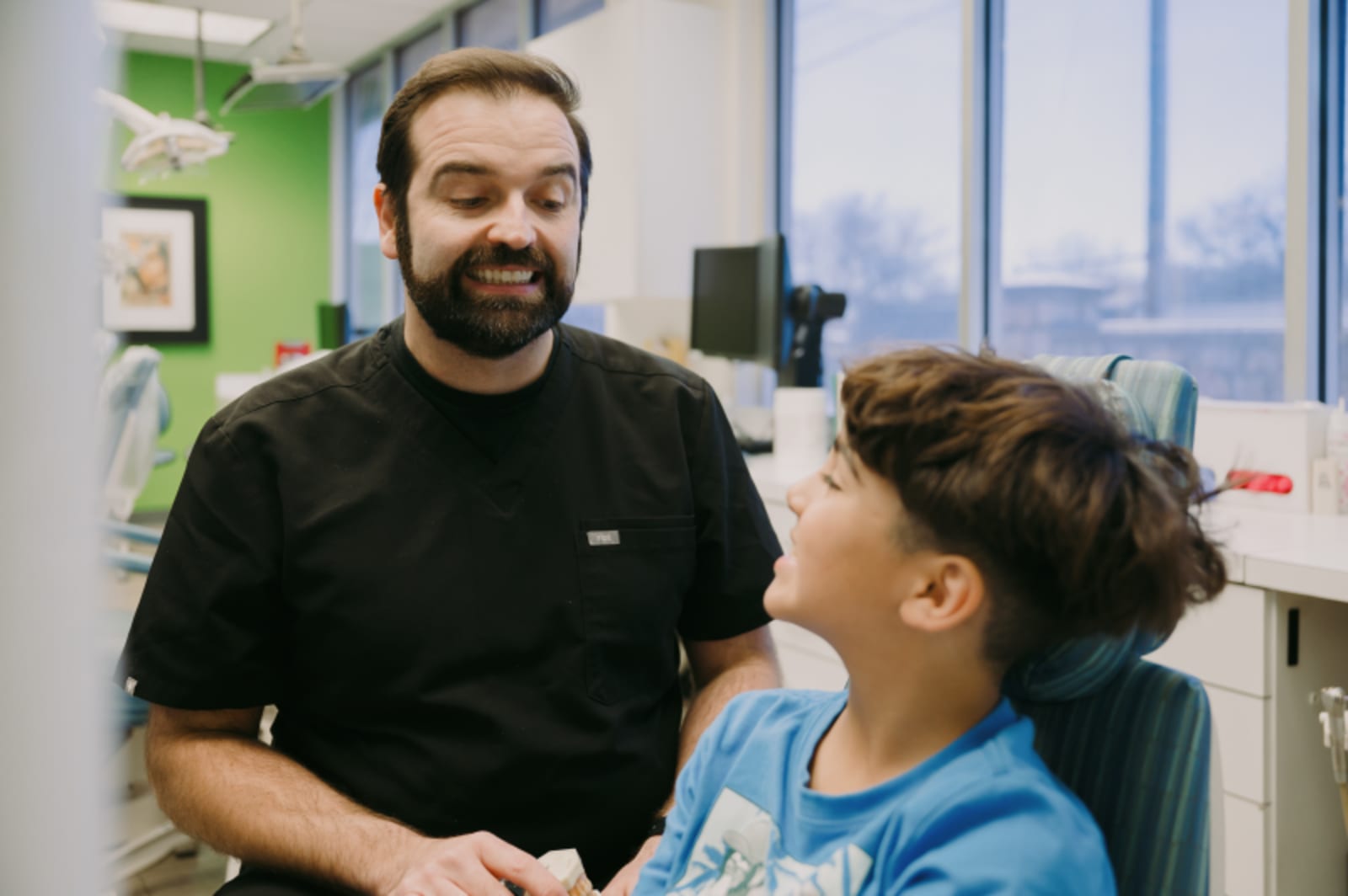
The Waxahachie office is designed with children in mind. The environment focuses on helping kids feel comfortable rather than overwhelmed by their surroundings.
Parents can stay close to their child throughout the visit. The setup allows families to feel at ease while their child receives care.
Creating Comfort During the Visit
Dr. Armin and our team focus on making each child feel heard and understood. We take time to answer questions, let kids explore tools if they're curious, and move at whatever pace feels right for your child. Some kids want to jump right in, others need a few extra minutes to get comfortable.
The goal is for your child to leave feeling confident about what happened and comfortable with the idea of returning. This child-centered approach makes all the difference in building positive dental experiences.
How You Handle the Next 24 Hours Shapes How They Remember It
We see this pattern regularly: a child who was calm and cooperative during their visit becomes anxious about returning, and parents wonder what went wrong. Often, nothing went wrong in the office. The emotional memory of a dental visit continues forming long after you leave, shaped largely by the conversations you have on the drive home and that evening. Many parent stories reflect this same experience.
Questions That Build Positive Memories
The questions you ask matter more than you might expect:
- "What was your favorite part?" opens the door to positive retelling
- "What did you think of the special chair?" focuses on something interesting they experienced
- "Which tool did the dentist show you?" lets them be the expert about their visit
Questions like "Was it scary?" or "Did it hurt?" do the opposite. Even if your child sailed through the appointment, that kind of framing can plant doubt after the fact. Kids take their emotional cues from us, and the story we help them tell becomes the story they remember.
How to Celebrate Without Overdoing It
A simple acknowledgment works better than a big production. "You did such a good job listening today" reinforces that they handled something well. Making it into a major celebration can accidentally signal that it was supposed to be difficult. And if your instinct is to apologize for bringing them or say "I know that was scary," that language can reframe a neutral experience as frightening in retrospect.
This window of time sets the foundation for how your child feels about dental care for years to come. Using it thoughtfully makes every future visit easier.
Your Child's Relationship With Dental Care Starts Here
The preparation you do at home and the experience your child has during that first visit shapes their relationship with dental care for years to come. When you take time to think carefully about how to introduce dental care, rather than just booking an appointment and hoping for the best, you're giving your child something that lasts.
A first visit done well teaches your child that dental care is safe and familiar. That foundation makes every future visit easier for both of you.
Ready to schedule? You can call us at (972) 351-9700 to talk through what would work best for your child, or learn more about our pediatric dentists who specialize in making children feel comfortable.
