

Your Child Has a Cavity. Do They Really Need a Filling?
When your dentist mentions your child needs a filling, that practical voice in your head probably starts asking questions: a filling for a tooth that's just going to fall out in a few years anyway?
It's natural to wonder if treatment is really necessary or if you can just wait it out.
That instinct makes complete sense. But baby teeth usually do need to be treated, even when they're temporary. In Dr. Armin's experience, untreated decay doesn't stay put. It spreads, causes real pain, and can lead to infection that threatens the permanent tooth forming directly underneath. Skipping treatment now can create a much bigger problem a year or two down the road.
Quick Takeaways for Parents
- Ask how long the tooth will stay: Some baby molars don't fall out until age 11-12, making treatment worthwhile for years of function
- Understand the risks of waiting: Untreated decay can spread to the permanent tooth bud forming underneath
- Get the timeline: Ask your dentist what happens if you delay treatment versus addressing it now
- Know your options: Treatment isn't always a filling; sometimes a crown or other approach is more appropriate for the extent of decay
Baby Teeth Do More Work Than Most Parents Realize
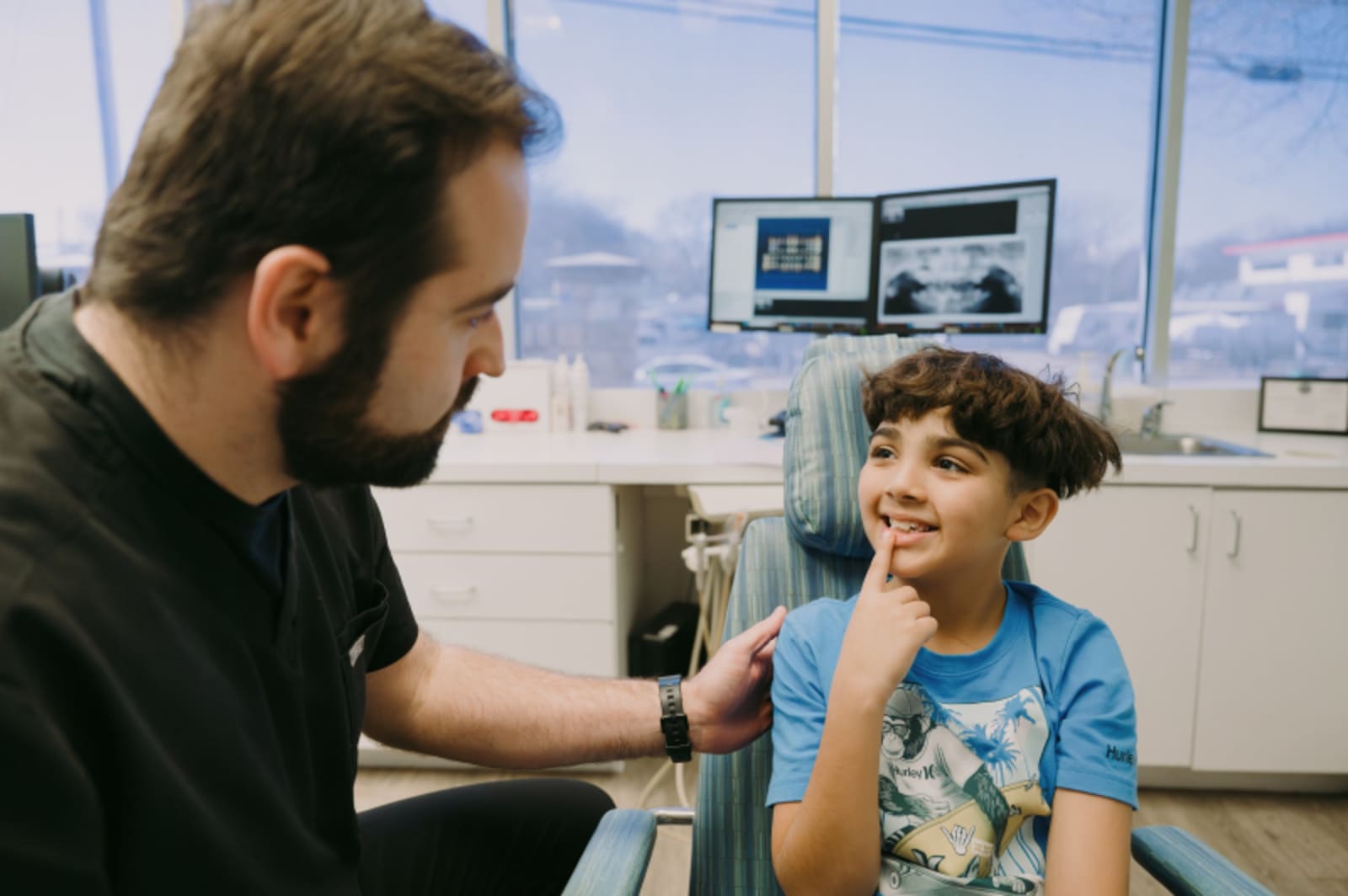
There's a belief that floats around a lot of parent circles: baby teeth are basically placeholders. They show up, they fall out, and the real teeth take over.
It's an easy assumption to make, but it misses quite a bit of what's actually happening inside your child's mouth during those early years.
Primary teeth are doing serious structural work from the moment they come in. Dr. Armin sees the consequences when parents don't realize how much these little teeth actually matter. They're not just holding space but actively supporting your child's development in ways that affect them for years.
What Baby Teeth Actually Do
- Hold space for permanent teeth: When a baby tooth is lost too early, surrounding teeth drift into that gap, crowding out the incoming permanent tooth
- Support speech development: Certain sounds depend on the tongue making contact with teeth, and missing or damaged teeth can affect that development
- Enable proper nutrition: A child who avoids certain foods because eating hurts may not be getting the nutrition they need
If you want to understand how diet connects to dental health, this guide on making your child's diet tooth-friendly is worth a read.
Primary teeth earn their keep for a long time, and treating them makes sense for your child's long-term health. We've covered this kind of misconception in our guide to common dental myths parents believe.
What Happens When Decay in a Baby Tooth Goes Untreated
Understanding why baby teeth matter is one thing. Seeing what actually happens when a cavity is left alone is another, and it tends to change how parents think about those little teeth pretty quickly.
How Decay Spreads in Baby Teeth
A cavity starts small. It's just a soft spot where the outer layer of the tooth has been worn down. But without treatment, it keeps moving inward. The tooth gets softer, the decay spreads deeper, and eventually it reaches the inner part of the tooth where the nerves and blood supply live. That's when things shift from a minor fix to a much bigger problem.
The tooth can become infected, and that infection doesn't always stay contained. It can spread into the surrounding gum tissue and cause an abscess, which is a painful pocket of infection that sometimes shows up as a swollen bump on the gums.
Signs Your Child Might Be in Pain
Kids can't always tell you what's wrong, but their behavior often gives it away. Watch for these changes:
- Suddenly avoiding chewing on one side
- Waking up in the middle of the night complaining their mouth hurts
- Refusing foods they used to love
- A tooth that looks darker or grayish compared to the ones next to it
- Gums that look puffy or red near a specific tooth
- Flinching when eating something cold or sweet
The Hidden Risk to Permanent Teeth
There's also a longer-term concern that often surprises parents. Directly beneath each baby tooth is a developing permanent tooth bud. A serious infection in a baby tooth can actually affect that bud, sometimes interfering with how the adult tooth forms or comes in. If a baby tooth is lost too early because decay made it unsalvageable, the surrounding teeth tend to drift into that open space. That drifting is one of the most common reasons kids end up needing orthodontic work later on.
If your child is already showing signs of discomfort, our guide on what to do if your child has a toothache walks through what to do next. Catching decay before it reaches this point makes treatment simpler and less stressful for everyone involved.
When a Filling, Crown, or Extraction Is Actually the Right Call
The earlier a cavity is caught, the simpler the fix tends to be for everyone involved. But what happens when a cavity has had more time to develop? The answer depends on exactly how far the decay has progressed.
Simple Fillings for Early Decay
Fillings are what most parents expect when they hear "cavity." When decay is caught in its early-to-moderate stages, we remove the damaged portion of the tooth and fill the space to restore normal function. Straightforward, quick, and your child is back to eating normally within hours.
When Crowns Make More Sense
Stainless steel crowns are where parents sometimes do a double take. A crown can sound like a dramatic response to a cavity, but when decay has spread extensively or compromised enough of the tooth's structure that a filling wouldn't hold, a crown protects what's left and keeps the tooth functional until it falls out naturally. It's not an escalation. It's choosing the treatment that will actually last.
We also offer white crowns for front teeth when parents are concerned about appearance, especially for Waxahachie kids who are active in school activities and want to feel confident about their smile.
When Extraction Is Necessary
Extraction becomes necessary when infection is severe or the tooth simply can't be saved. When that happens, we'll discuss options for protecting the space until the permanent tooth comes in, preventing surrounding teeth from drifting into the gap.
If you'd like to understand more about how we approach providing the right dental care for your child, that's a good place to start. Or you're always welcome to call us directly at (972) 351-9700 with questions.
How Early Should Kids Be Seen, and What Are You Watching For?
When to Start Dental Visits
The recommendation is by age one or when their first tooth appears, whichever comes first. From there, every six months keeps things on track. This schedule catches small issues before they become bigger ones.
Warning Signs Between Visits
Routine visits are only part of the picture. There are specific things worth watching for between appointments:
- White or brown spots on your child's teeth
- Visible holes or dark areas
- Swollen or red gums
- Complaints about tooth pain or sensitivity
- Suddenly refusing foods they used to love, especially cold, hot, or crunchy ones
That kind of food avoidance is often their way of telling you something hurts. Don't wait for the next scheduled visit if you notice these changes. Our guide on what to do if your child has a toothache walks through exactly what to do in those moments.
For families with very young children, our early infant oral care page covers what to expect in those first visits and how to care for teeth before they've even fully come in.
Leaving a Visit Informed, Not Just Instructed
Building trust with your child's dentist matters just as much as any single appointment. Part of that trust starts with how you feel when you walk out the door. Too many parents leave dental visits with a treatment plan in hand but not a real understanding of how it got there. That's frustrating, and it's completely fair to expect more.
Our team walks parents through what we're seeing before discussing any treatment. When we point to an X-ray or explain what the examination revealed, you're getting the same information we are. The goal isn't just to explain the recommendation but to help you understand why that recommendation makes sense for your child specifically.
Your time with us is important, which is why we don't rush through explanations or assume you'll just go along with whatever is suggested. If you have questions ready before you even walk in, bring them.
When You're Ready For A Visit
Whether it's your first visit or you're discussing treatment options, you'll leave with a clear understanding of what's happening in your child's mouth and the reasoning behind our recommendations.
New to our practice? This guide covers what to expect at your child's first visit.
Have questions before scheduling? Give us a call at (972) 351-9700.